
All heating appliances can cause fires.
Reduce the risks by:
- Making sure heating devices are installed, maintained and used correctly
- Supervising children and pets around heaters
- Maintaining a safe distance from heaters
- Always using the correct fuels.
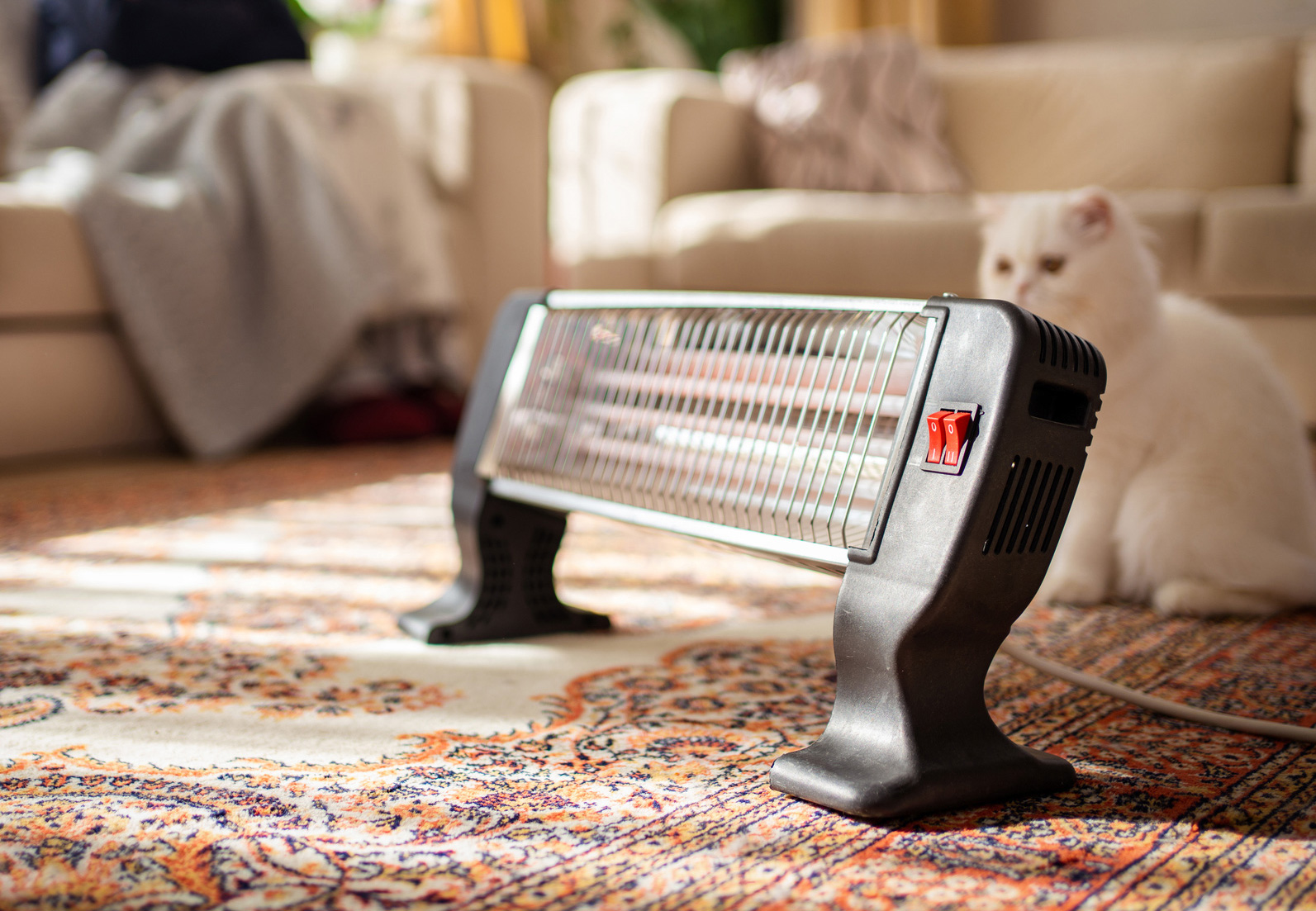
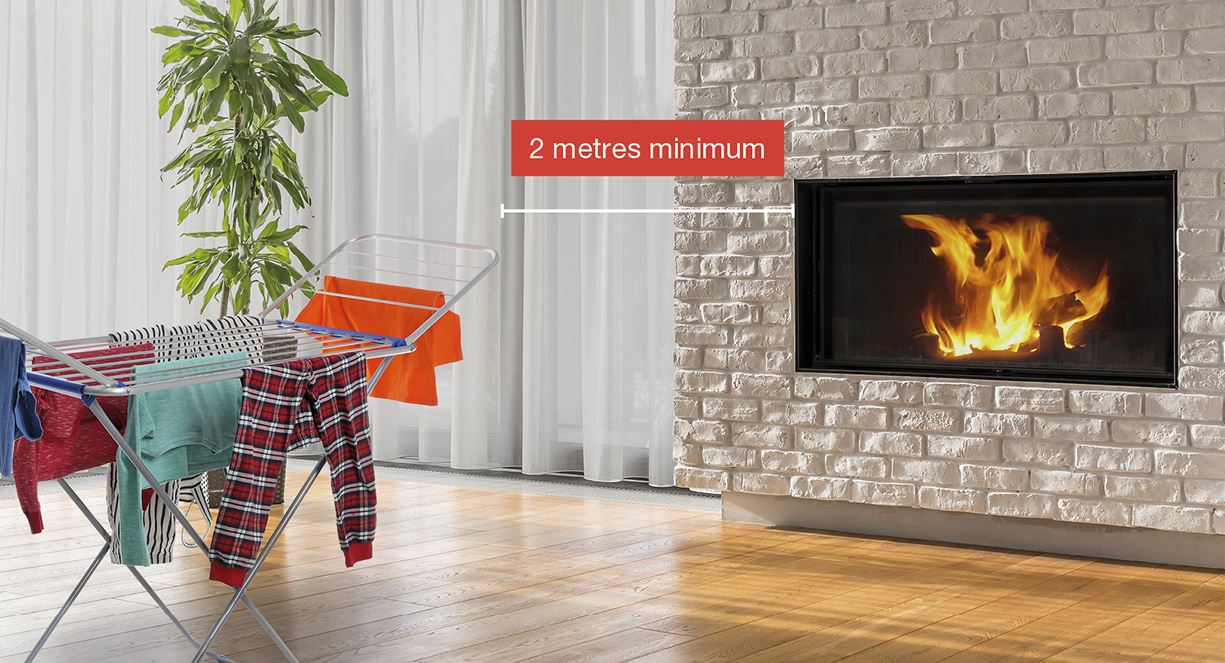
Remember: 2 metres from the heater!
Don’t place clothing or any flammable material too close to heaters – it should be at least two metres from any source of heat. Use fire screens at all times with open fires.

Installation and maintenance
Heating equipment (including gas heaters, oil heaters, wood heaters and air conditioners) should be installed and
maintained by a qualified tradesperson in accordance with the manufacturer’s instructions and any relevant Australian Standard.
Discontinue using any faulty heating equipment immediately and have it repaired or replaced by a qualified tradesperson.
Open fires and combustion heaters
- DO NOT leave your heater door open or remove screens on open fires. Always use a full-size screen in front of open fires to prevent sparks or embers from coming into contact with flammable items.
- Combustion heaters must have the door latched shut when in use.
- NEVER use flammable liquids to start a fire.
- NEVER burn wood that has been chemically treated.
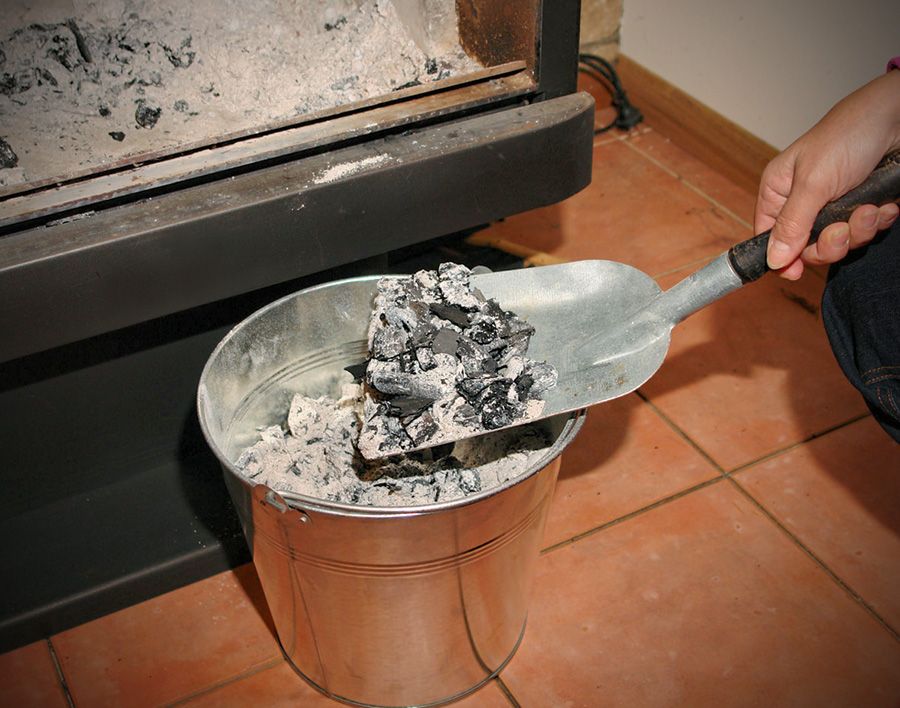
- NEVER place hot ashes in household bins, plastic buckets or council bins. Have a metal bucket that you use only for ash. Dispose of ashes away from the home and make sure water has been poured over them.
- Keep fire lighting tools (matches, lighters and stove lighters) out of reach and out of sight of children.
Be careful with the disposal of ashes from the wood heater. Ashes can take up to 5 days to cool. Do not use a plastic bucket to remove ashes.
Maintenance of fireplaces, combustion heaters, flues and chimneys
Regular maintenance of fireplaces, combustion heaters, flues and chimneys must be undertaken by a qualified tradesperson) to ensure that the heater or fireplace works properly and safely. This maintenance should include:
- Checking and cleaning flues and chimneys to prevent a build-up of flammable material inside the chimney.
- Inspecting the condition of the fire bricks that line the fireplace or combustion heater.
- Inspecting the heat baffles in flues and chimneys for rust or deterioration.
- Inspecting roof spaces to ensure that the chimney or flue connects safely to the outside of the roof, that the chimney and any protective shrouding is intact and that rubbish in the roof space (vermin nests, leaves, dust etc.) has not accumulated around chimneys and flues.
Portable heaters
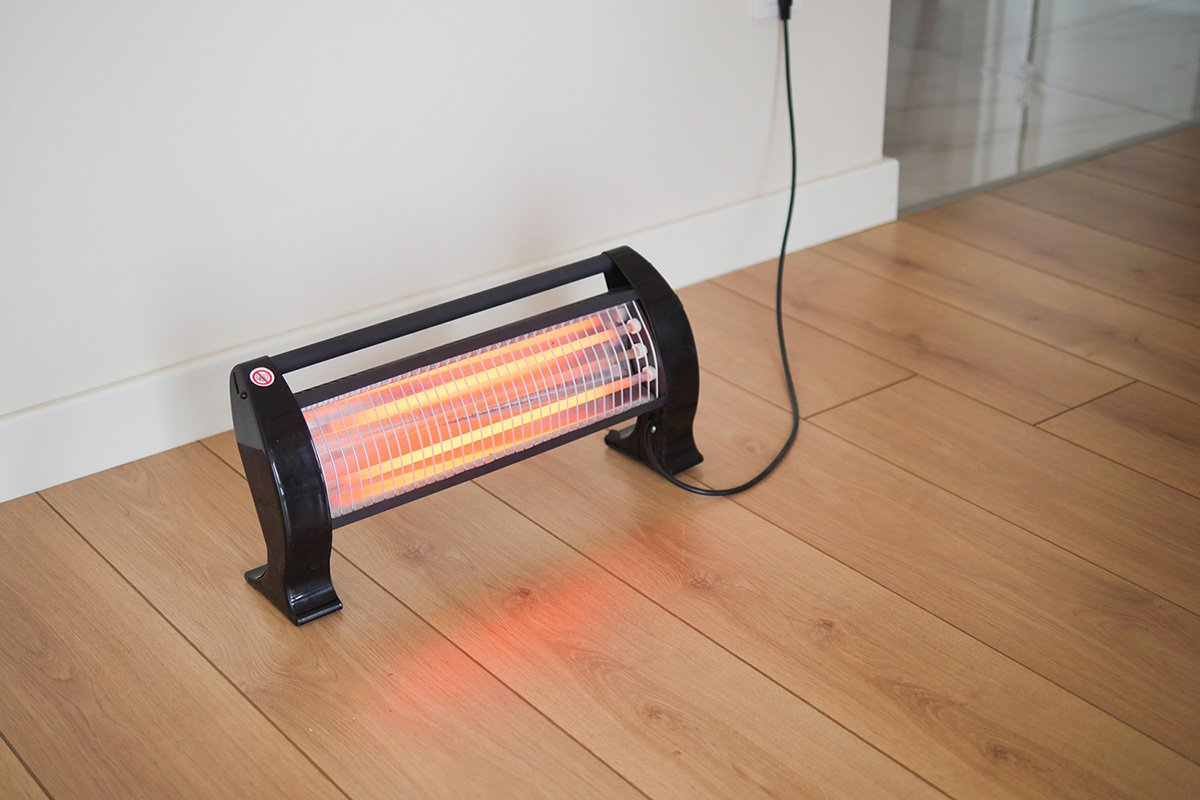
- Choose a portable heater that has an automatic safety switch that turns the heater off if it is tipped over.
- Keep portable electric heaters away from wet areas to avoid the possibility of electric shock.
Ducted heating
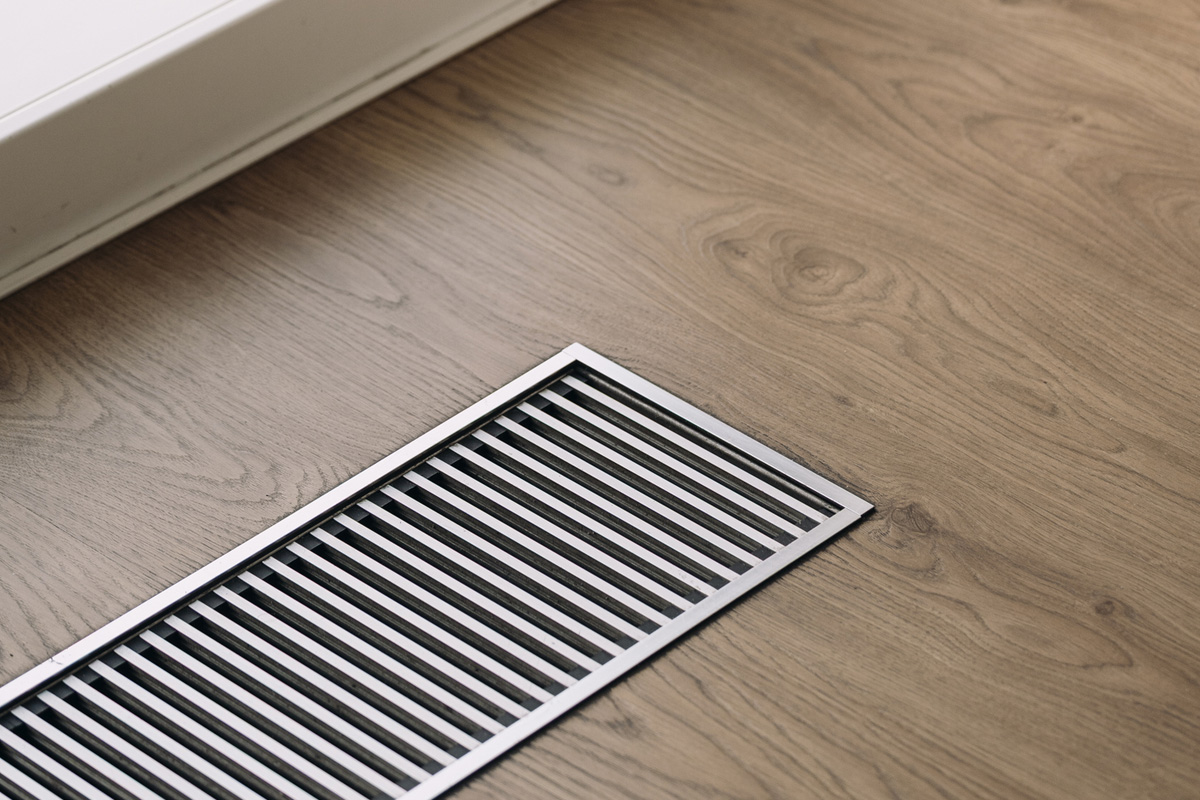
- Return air filters must be cleaned regularly.
- The heating unit must be serviced regularly by a qualified tradesperson in accordance with the manufacturer’s instructions.
Gas and liquid fuelled heaters
- Gas heaters must be installed by a qualified tradesperson.
- Gas heaters must be vented adequately as the carbon monoxide produced by burning is odourless, colourless and poisonous.
- Have gas heaters serviced regularly by a qualified tradesperson to check for carbon monoxide leaks.
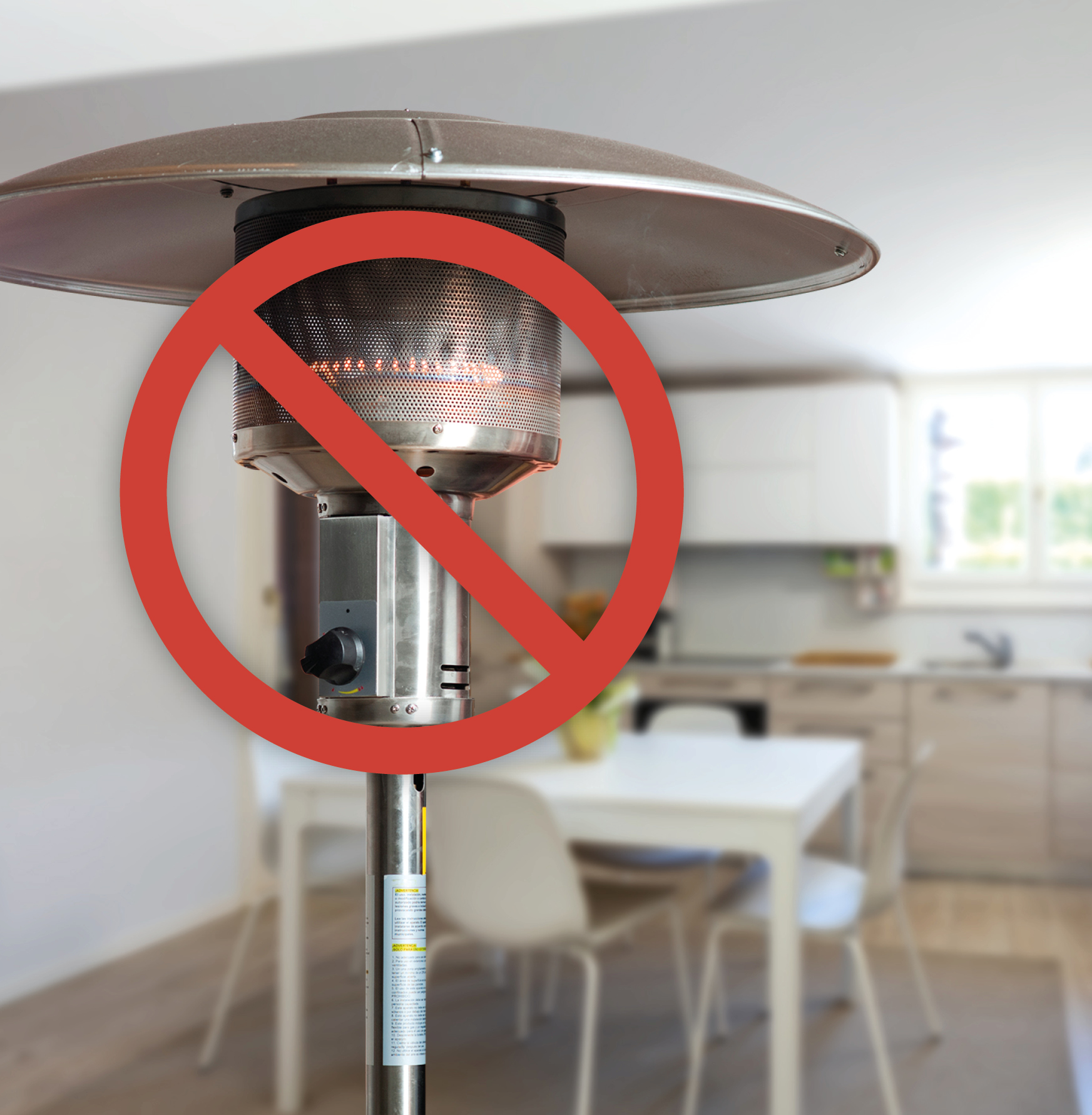
- Gas-fuelled patio and outdoor heaters must never be used indoors. Ensure that there is adequate space around them from combustible items.
- If the outdoor area is enclosed by pull-down blinds you must also ensure adequate ventilation to avoid the build-up of carbon monoxide.
- Install a carbon monixide alarm in your home if using gas or wood heaters.
- Ensure only the approved fuel is used in liquid-fuelled heaters.
- Store liquid fuel safely and securely, away from heat sources. Avoid keeping large quantities of fuel in the house.
Never use an outdoor heater indoors.
Hot tips
- Don’t place clothing or any flammable material too close to heaters – it should be at least two metres from any source of heat.
- Use fire screens at all times with open fires.
- NEVER leave clothes near the heater if leaving the house or going to bed.
- Turn heating equipment off and extinguish open fires before leaving home or going to sleep.
- NEVER use an outdoor heater indoors.
Ethanol fireplaces
(also known as ethanol burners or decorative alcohol fuelled devices)
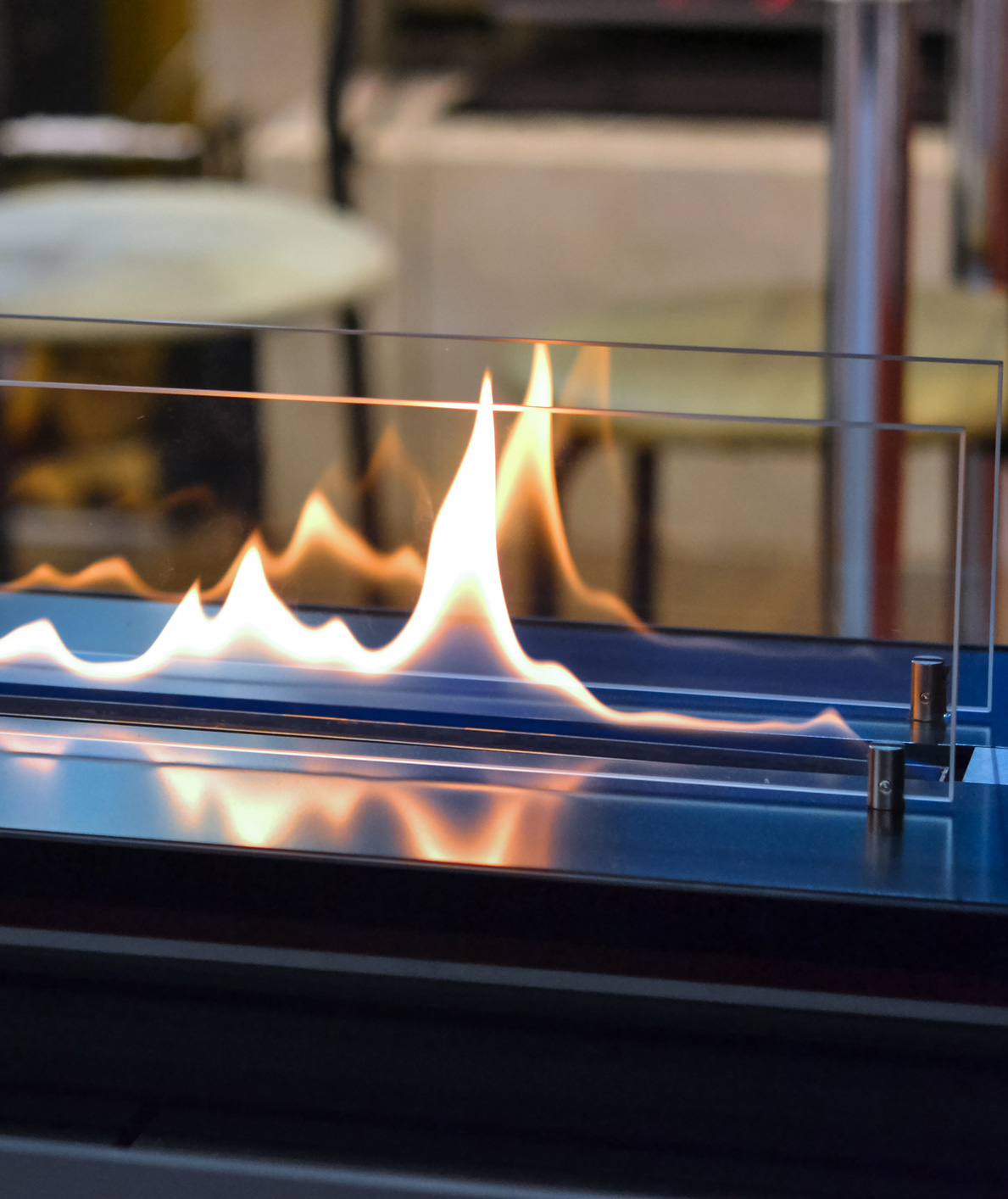
- Ethanol fuelled fireplaces must be installed by a qualified installer in accordance with the manufacturer’s instructions.
- There must be a minimum two-metre clearance from all combustible material around the fireplace.
- Only choose brands and models that have been tested and certified.
- Although ethanol fireplaces do not require flues or chimneys, the room must be adequately ventilated. Without sufficient oxygen the ethanol will not burn properly and may produce carbon monoxide.
- Ethanol fireplaces get hot and can cause burns if touched.
- NEVER refuel an ethanol fireplace while it is alight or hot. The ethanol fuel can ignite on contact with the hot surface.
- Use a leak-proof filling container to avoid fuel spills. DO NOT overfill the tank. Completely clean up any fuel spills before lighting.
- Only use approved ethanol fuel.
- Store liquid fuel safely and securely, away from heat sources. Avoid keeping large quantities of fuel in the house.
Never refuel an ethanol fireplace while it is alight or hot.
Please note in July 2017 the Australian Government introduced the Consumer Goods (Decorative Alcohol Fuelled Devices) Safety Standard 2017.
All devices sold after 15th July 2017 must comply with this Standard.